.png)

Pest Profile: Rodents (Rats and Mice)
Rodents are among the most destructive and concerning types of pests. They can be found in countless homes and businesses, and this category includes highly adaptable species like mice and rats. Once inside a structure, rodents can both cause serious structural damage and pose major health risks.
Last Updated: March 26, 2026
Quick Facts about Mice and Rats
Rodent Species Identification — Mouse vs. Rat
Correctly identifying whether you have mice, Norway rats, or roof rats is essential. they all have different nesting behaviour, entry points, and treatment approaches.
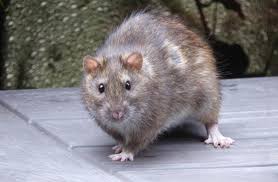
Image: Norway Rat

Image: Roof Rat
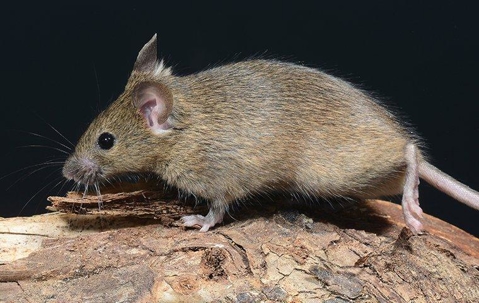
Image: House Mouse
Norway Rat Drain Entry: Norway rats are powerful swimmers and can travel through fully submerged sewer pipes. They are capable of entering homes through floor drains, toilet traps, and broken sewer laterals. This is the case in older buildings with clay or cast-iron drain systems. If rat activity is detected in bathrooms or basements with no other obvious entry point, a drain inspection by a professional is advised.
Rodent Behaviour & Biology
Rodents are among the most behaviourally studied urban pest species. They’ve adapted to living among humans making them difficult to control without professional intervention.
- Nocturnal Activity & Cautious Behaviour: Rodents are primarily active in the dark with peak activity 1–2 hours after sunset and before sunrise.
- House mice are naturally curious and will investigate new objects quickly.
- Norway rats exhibit strong neophobia (intense fear of new objects) making them initially bait-shy. Trap and bait placement must account for these behavioural differences. - Thigmotaxis & Travel Routes: Rodents are thigmotactic, meaning that they prefer to travel with their bodies in contact with a wall or vertical surface on at least one side. This is why rodent activity concentrates along wall junctions, behind appliances, and along the base of walls. Traps and bait stations placed along established runways are dramatically more effective than those placed in open areas.
- Compulsive Gnawing: Rodent incisors grow up to 15 cm (6 inches) per year and must be constantly worn down through gnawing. They are harder than iron and can cut through wood, aluminium, plastic, concrete blocks, and most soft metals. Electrical wiring is a primary target with rodent gnawing as a cause for an estimated 20–25% of all house fires of unknown origin in North America.
- Exceptional Sense of Smell & Scent Marking: Rodents have a highly developed sense of smell and use urine, feces, and glandular secretions to mark their territories and travel routes. These scent trails actively attract other rodents. Even after a full clean-up, residual scent marks can draw new rodents to the same entry points, re-enforcing the use of structural exclusion (not just trapping) as an essential tool for long-term rodent control.
- Nesting & Harborage: Mice nest in small, enclosed spaces lined with shredded material such as insulation, paper, fabric, and hair. Norway rats burrow underground near foundations and under slabs. Roof rats nest in elevated areas such as attics, rafters, false ceilings, and vine-covered trees. All species establish a home range they actively defend and maintain with consistent runway patterns.
- Explosive Reproductive Rate: A house mouse female is sexually mature at just 6 weeks old and can produce a new litter every 3 weeks. A single pair of mice can theoretically produce 500 descendants in one year under ideal conditions. Norway rats reproduce more slowly but live longer creating large, well-established colonies. This means that a small, recently established infestation can become severe within a single season.
How Rodents Enter Your Home
Understanding a property's entry points is the most critical element of permanent rodent control. Trapping without sealing entry points is treating the symptom and only provides a short-term relief.
The 6 mm Rule: A house mouse can compress its body and pass through a gap as small as 6 mm which is approximately the diameter of a pencil or a dime. Norway and Roof rats require a gap of approximately 12–13 mm. Standard caulk, foam sealant, and weather stripping are not adequate, rodents can chew through them within hours. Permanent exclusion requires galvanized steel wool, hardware cloth (minimum 20-gauge), and caulk or mortar as a secondary backer.
Property Damage Rodents Cause
Rodents cause more structural and financial damage to buildings than almost any other urban pest. The damage categories below are interconnected — where you find one, you typically find others.
- Electrical Wiring (Fire Hazard): Rodent gnawing on electrical wiring is estimated to cause 20–25% of house fires classified as 'unknown cause' in North America. Rodents are attracted to the warmth and texture of wire insulation. Arc faults from gnawed wires can ignite surrounding insulation instantly. If you have confirmed rodent activity in a wall or attic, we advise you have a professional perform an electrical inspection of the area.
- Plumbing Damage: Rodents gnaw through PVC and polyethylene water supply lines, particularly in warm areas near the water heater. A chewed pipe can cause a slow leak behind walls for weeks before detection and leading to mould, structural rot, and ceiling damage. They can also chew through drain lines, causing sewage leaks in wall voids.
- Insulation Damage & Contamination: Rodents compress, burrow through, and nest in attic and wall insulation reducing its R-value. Urine-saturated insulation loses insulating capacity and generates a persistent ammonia smell. In severe infestations, full insulation removal and replacement is necessary. The cost to perform an insulation removal could be expensive.
- Structural Timber & Materials: Rodents gnaw on structural lumber, OSB sheathing, drywall, and vapour barriers to create and enlarge pathways. Over time this gnawing weakens structural members and creates pathways for moisture and secondary pests. Roof rats in attic spaces frequently damage structural rafters and sheathing.
- Food Contamination & Loss: Rodents contaminate food with urine, feces, and hair deposited across food storage areas. A single mouse produces approximately 50–75 droppings and deposits urine hundreds of times per day. Any food, package, or surface contacted by a rodent must be considered contaminated. Pantry, dry food storage, and kitchen cabinet areas require thorough cleaning post-removal.
Rodent Health Risks & Disease Transmission
Rodents are vectors and reservoirs of more than 35 diseases transmissible to humans and a higher count than almost any other urban pest species.
⚠ Hantavirus Pulmonary Syndrome (HPS) — A severe, potentially fatal respiratory disease caused by hantavirus, primarily associated with deer mice in rural areas but also reported with house mice. Transmission is through inhalation of dried, airborne rodent urine, feces, or nesting material. Any attic or crawl space cleanup after rodent activity must be done in a proper respirator (not as standard dust mask) and appropriate PPE coverings.
⚠ Leptospirosis — A bacterial disease (Leptospira spp.) spread through rodent urine contaminating water, soil, and food surfaces. Can cause kidney and liver failure if untreated. Risk is elevated in basements, crawl spaces, and areas with standing water. Pets are susceptible so ensure your dog(s) are vaccinated.
⚠ Salmonellosis — Rodents carry multiple strains and mechanically transfer them to food preparation surfaces, dishes, and stored food via feces and body contact. Salmonella contamination from rodent activity is a leading cause of restaurant and food facility closures during public health inspections.
⚠ Rat-Bite Fever — A bacterial infection (Streptobacillus moniliformis) transmitted through rat bites or scratches, or by consuming food contaminated with rat feces or urine. Causes fever, rash, and joint pain. Rare but serious cases can be fatal if untreated. Any rat bite requires immediate medical evaluation and antibiotic treatment.
⚠ Lymphocytic Choriomeningitis (LCM) — A viral infection carried primarily by the common house mouse. Transmitted through contact with mouse urine, feces, or saliva, or via bites. Causes flu-like illness in most people; can cause serious neurological disease in immunocompromised individuals and severe birth defects if contracted during pregnancy.
⚠ Fleas, Ticks & Mites — Rodents are the primary host for many flea and tick species in urban settings. Deer ticks that carry Lyme disease. Once rodents are removed from a structure, displaced parasites actively seek new hosts. Flea and mite treatment of affected areas following rodent removal is strongly recommended.
Rodent Cleanup Safety: Never sweep but instead vacuum (with a standard vacuum) or dry-brush the rodent droppings, urine stains, or nesting materials. Disturbing dried material becomes airborne and creates an inhalation risk. Proper safety protocol: wear gloves and an N95 or better respirator, spray droppings and affected materials with a 1:10 bleach solution allowing the solution to soak for 5 minutes, then wipe up with paper towels and seal in plastic bags. For attic or large-scale cleanup, professional remediation with HEPA vacuum equipment is strongly recommended.
Signs of Rodent Activity in Your Home
The earlier an infestation is detected, the simpler and less expensive the resolution. A single mouse identified in October can become a colony of 50+ by spring if left untreated.
✔ Droppings — mice (3–6 mm, dark, pointed ends) and rat (12–20 mm, blunt capsule shape) droppings are found along walls, in cabinets, behind appliances, and in attic insulation.
✔ Gnaw marks — fresh gnaw marks appear pale while older marks darken with age. Keep on the look out for chewed wood at entry points, gnawed corners of food packaging, and cable insulation damage.
✔ Grease/rub marks — dark, greasy smear marks along baseboards and wall junctions where rodents regularly travel and are more pronounced in rat activity.
✔ Nesting materials — shredded insulation, paper, fabric, or plant material piled in corners, inside appliances, or behind wall panels.
✔ Scratching or scurrying sounds — primarily at night - mice produce lighter, rapid scurrying and rats produce heavier thumping in walls, attic, and under floors.
✔ Urine staining or odour — UV light reveals urine trails as blue-white fluorescent stains accompanied by a strong ammonia smell in enclosed areas indicates significant activity.
✔ Footprints or tail drag marks — visible rat tail drag marks in dusty areas (attic floor dust, behind appliances).
✔ Runways — established travel routes visible as flattened or soiled paths through insulation, or greasy pathways along wall junctions.
✔ Disturbed stored items — chewed food packaging in pantries, disturbed pet food bags, or items moved/tumbled in storage areas.
✔ Daytime sightings — seeing a rodent during daylight hours indicates a large established population that has outgrown its nighttime territory.
Why Professional Rodent Control Is Essential
Rodent control is one of the areas where DIY attempts most frequently produce incomplete results and often delaying effective treatment while the rodent infestation continues to grow.
- Trapping alone is not enough: without sealing the entry points, new rodents move in within days of each trapped individual being removed, resulting in the infestation growing.
- Entry point identification: rodents use gaps that are very small often in hard-to-see locations such as around pipes, under appliances, in the back of cabinet toe kicks, and in the roofline; missing even one gap renders all other work ineffective
- Bait placement: improper bait placement in accessible locations creates risk to children and pets; professional tamper-resistant bait stations are placed in inaccessible runways
- Norway rat neophobia: rats may avoid new traps and bait stations for days to weeks; professional programs account for this with pre-baiting techniques and strategic placement along established runways
- Exclusion materials: standard caulk and foam are chewed through within hours; effective exclusion requires galvanized steel hardware cloth, steel wool packing, and professional sealants
- Secondary pest treatment: fleas and mites left behind after rodent removal will seek new hosts. A comprehensive service includes recommendations for parasite management.
- Health risk: cleanup of rodent-contaminated areas (particularly attics and crawl spaces) requires proper respiratory protection and technique. The improper cleanup of the affected area creates inhalation health hazards.
Our Rodent Control & Exclusion Process: Our licensed technicians conduct a full interior and exterior inspection to map all entry points, runways, and nesting sites, identify the species to tailor the treatment approach, install tamper-resistant bait stations and professional-grade traps along established runways, seal all confirmed and potential entry points with appropriate materials unchewable to rodents. Our technician return to monitor and replace bait or traps as needed, and advise on cleanup and sanitization. Our work is backed by with our 30-day guarantee.
Get Rid of Your Pests Today!
Do you have a pest problem that needs to be looked at right away? Contact Guard More Pest Control about your pests and we'll work on solving your pest problem within 24 hours.